


The sea around Krk is clear and calm, so snorkelling and diving near Malinska are easy ways to see the Adriatic from below. This guide explains when the water is warm, how to start and what to check before you go.
| Month | Average sea temperature | Comfort |
|---|---|---|
| May | About 17 °C | Cool, wetsuit helps |
| June | About 22 °C | Good for snorkelling |
| July–August | About 24–25 °C | Warmest, best for beginners |
| September | About 23 °C | Still warm and calmer |
When is the sea warm enough?
Average sea temperature near Malinska is about 17 °C over the year. It is around 22 °C in June, 24 °C in July, 25 °C in August and 23 °C in September, and it drops to about 19 °C in October. In May it is about 17 °C, which is cool for snorkelling without a wetsuit. These are averages, so the water can feel warmer or cooler on a given day.
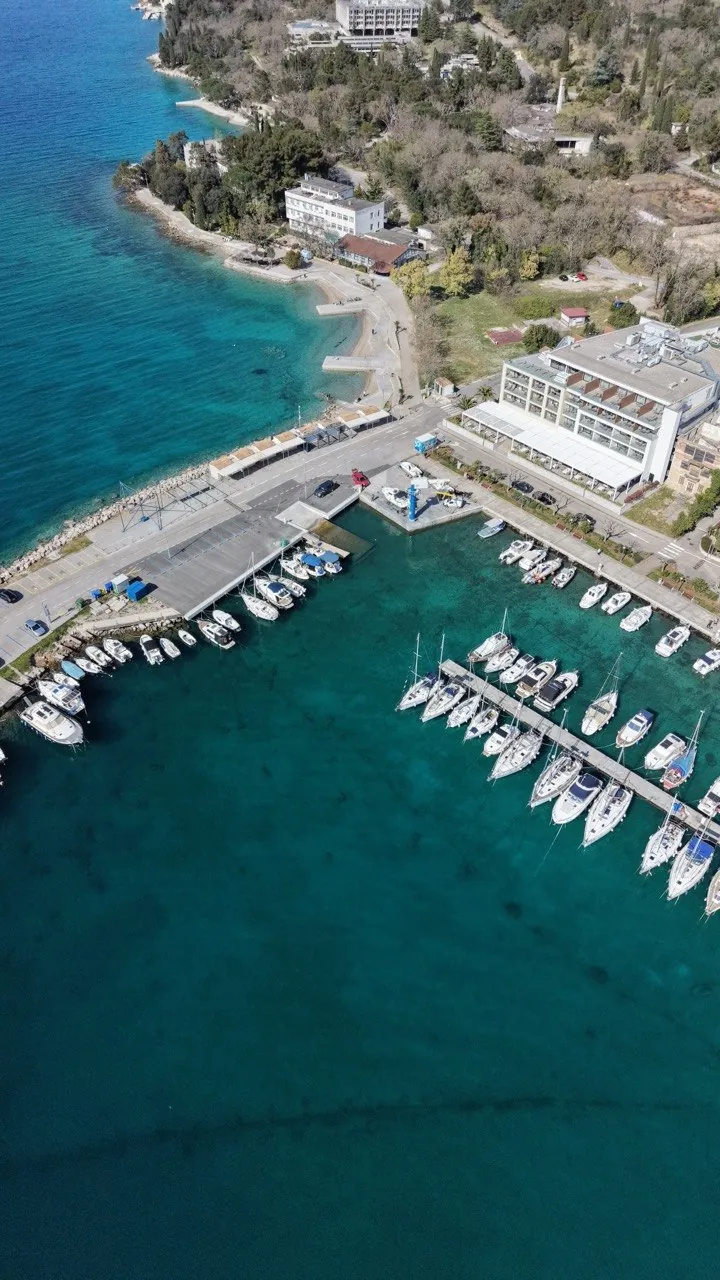
Snorkelling for beginners
You do not need a course to snorkel. Choose a calm day, enter the water gradually and stay close to the shore. Rocky and pebbly bays with clear water are the best places to look for small fish and sea urchins. Wear water shoes on stony beaches, and use a bright swim float or buoy so boats can see you.
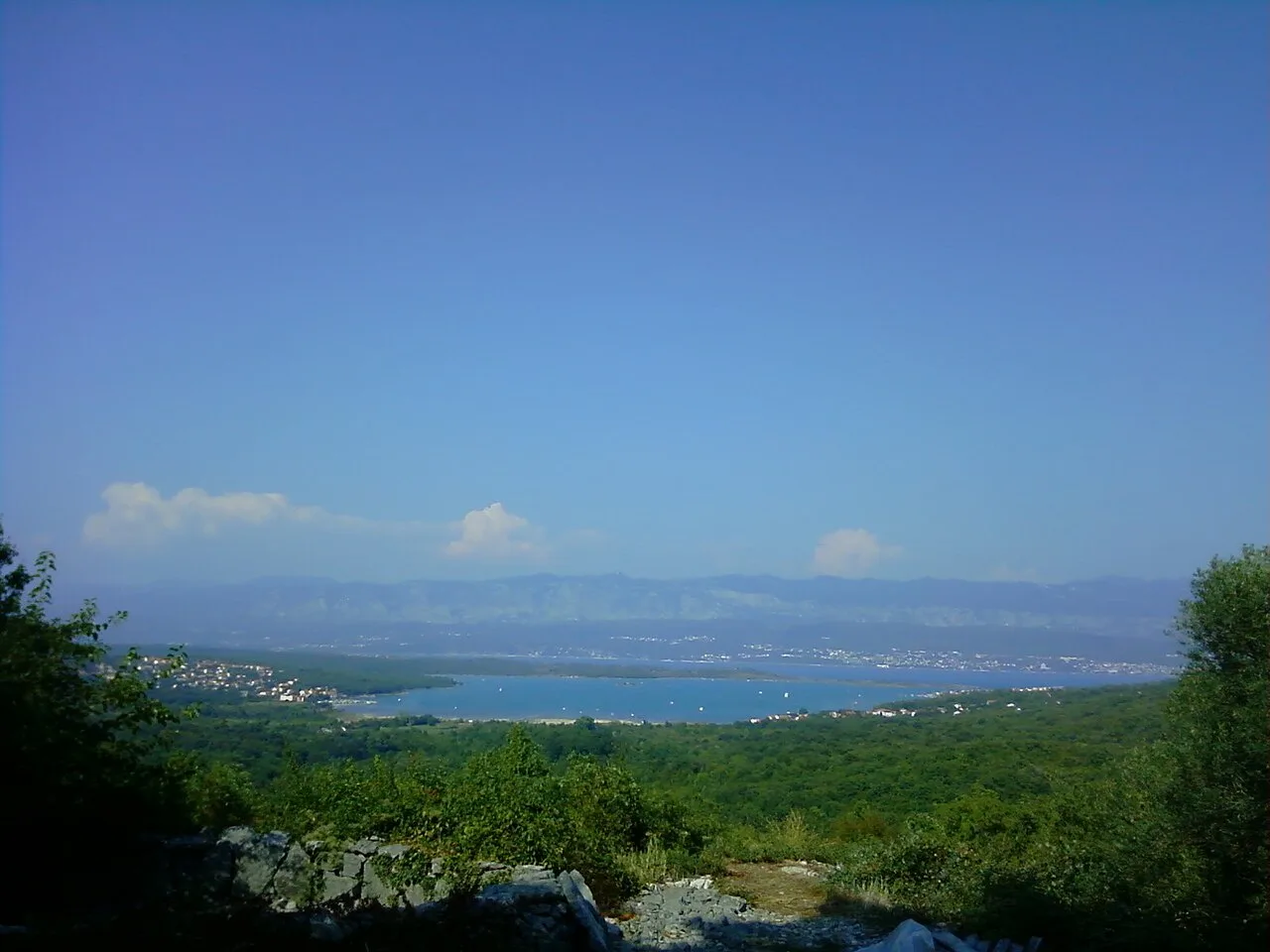
For longer snorkelling trips, a boat is the easiest way to reach quiet bays. Read our guide to places near Malinska you can only reach by boat, and remember that without a boat licence you can only go out with a skipper or on an organised trip.
Diving near Malinska
Dive centres operate on Krk, including in Punat, and they offer courses, guided dives and equipment. Choose a licensed centre, ask about the briefing, the equipment and the experience level required, and book ahead in July and August. Beginners can usually try a first dive with an instructor, and certified divers should bring their card and logbook.
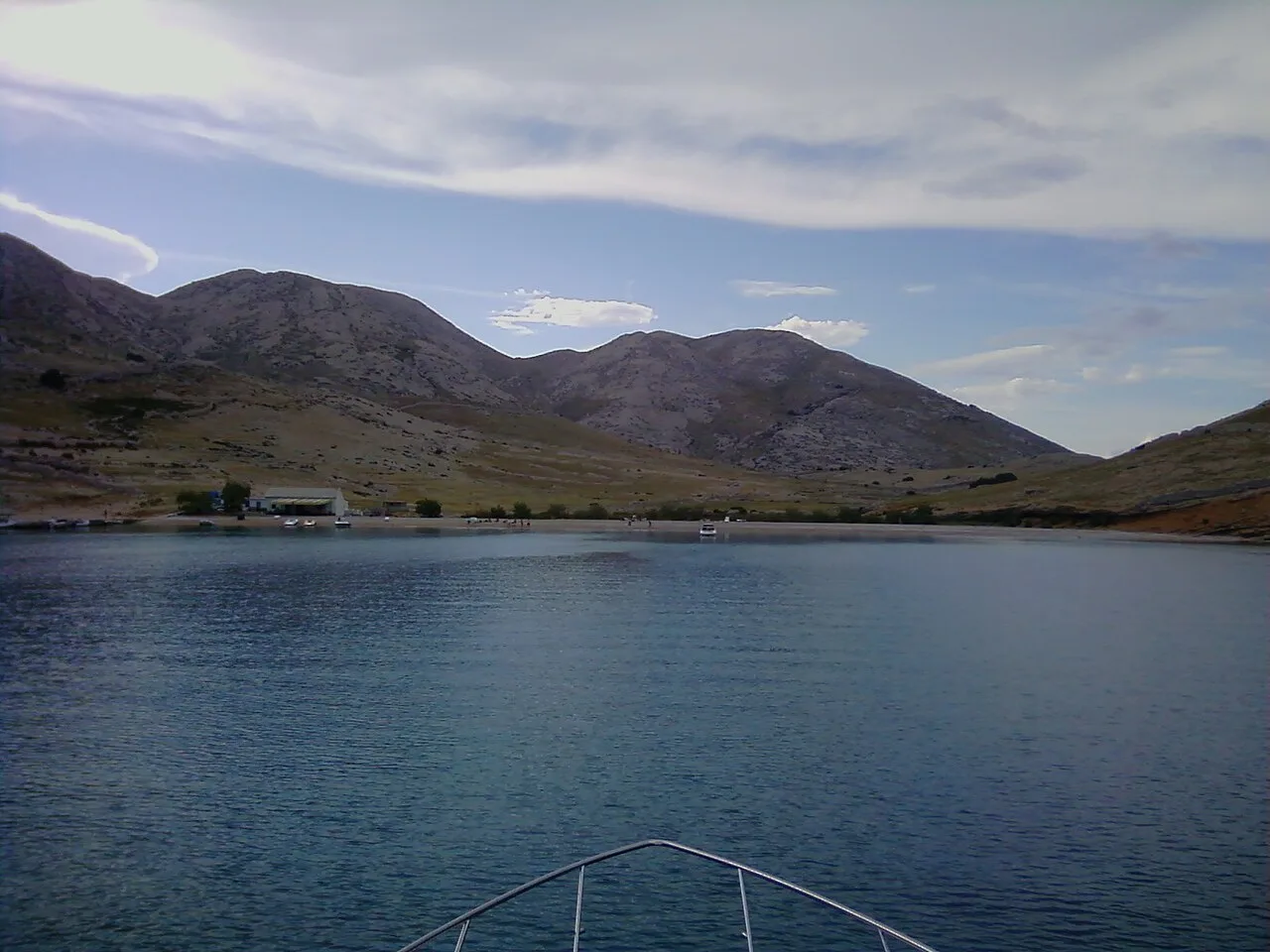
Safety and respect for the sea
- Never swim or dive alone and avoid the water in strong wind or waves.
- Do not touch or collect sea life, shells or sea urchins.
- Check the local rules on fishing and spearfishing before you bring any equipment, because regulations apply.
- Stay away from boats and harbour entrances, and mark your position with a buoy.
- Use reef-safe sunscreen and take your rubbish with you.
What to pack
A mask, snorkel, fins and water shoes are enough for most visitors. In spring and autumn a thin wetsuit makes the water much more comfortable. You can rent equipment locally, but check the fit before you leave the shop.
Yes from about June to September, when the sea is roughly 22 to 25 °C.
No. Snorkelling needs no licence, but stay close to the shore and mark your position.
Yes. Licensed dive centres offer introductory dives with an instructor.